어떤 건축물도 언덕 위나 그 어떤 것 위에 군림해서는 안 된다. 건축물은 언덕의 일부가 되어야 하며, 그곳에 온전히 속해야 한다. - 프랭크 로이드 라이트 (Frank Lloyd Wright)

 |
 |
 |
URLO Studio-Pamba Bike Shelter
[자전거 여행자를 위한 대지 위의 안식처]
아스카수비 지역, 팜바마르카 산기슭에 자리 잡은 이 프로젝트는 안식처라는 명확한 목적에서 출발했습니다. 혹독한 안데스의 기후를 피해 찾아온 자전거 여행자들에게, 잠시 숨을 고르며 풍경을 사색할 수 있는 너른 품을 내어줍니다.
[자연에 스며드는 조형적 어휘]
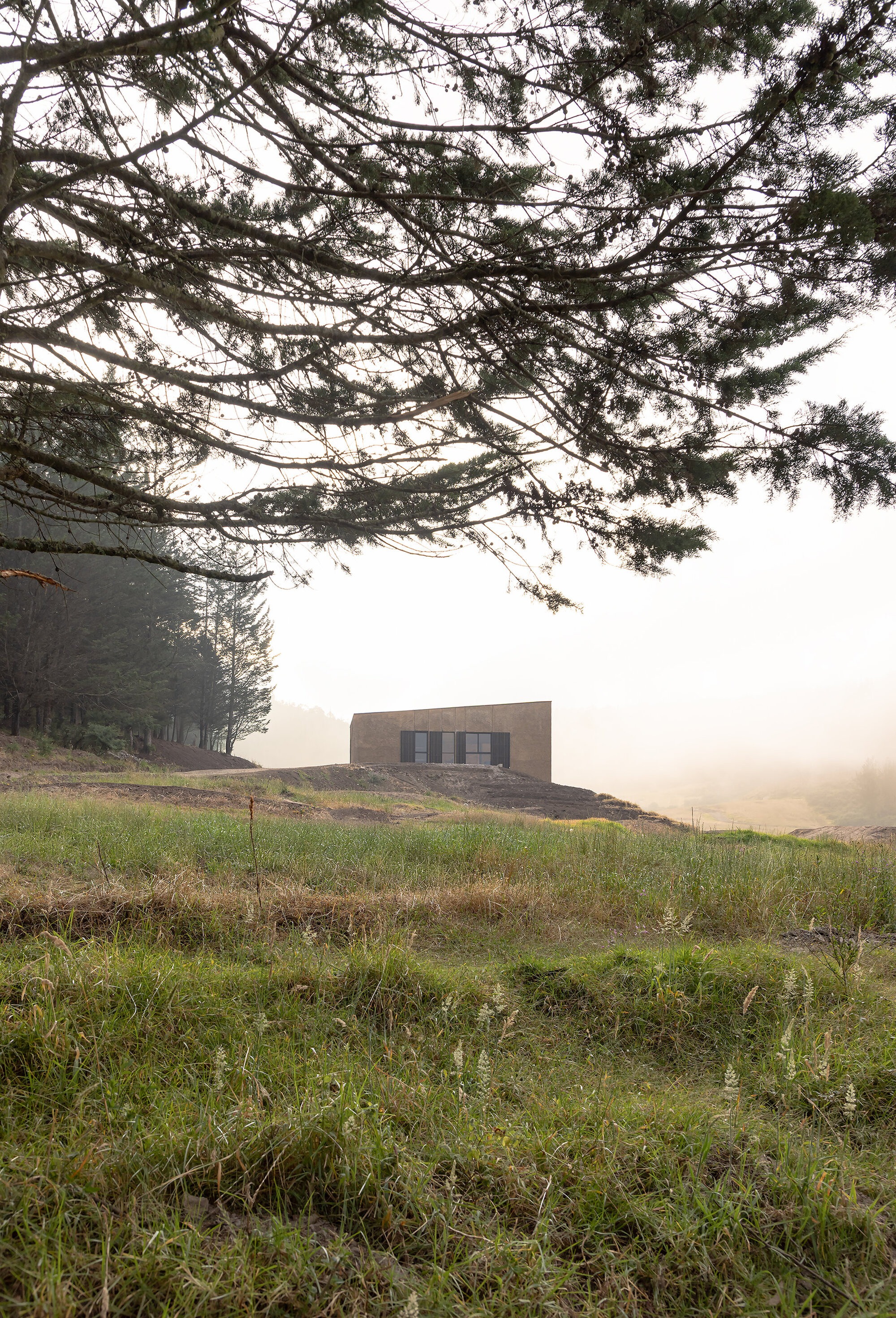
탁 트인 전망과 선조들의 역사가 깃든 이 땅에는 안데스 전통 요새인 푸카라의 흔적이 짙게 배어 있습니다. 이곳에서 건축은 결코 스스로를 과시하지 않습니다. 주변 환경과 유기적으로 호흡하며 대지의 풍경 속에 온전히 스며드는 것을 궁극적인 목표로 삼았습니다.
[무게와 가벼움의 극적인 대비]
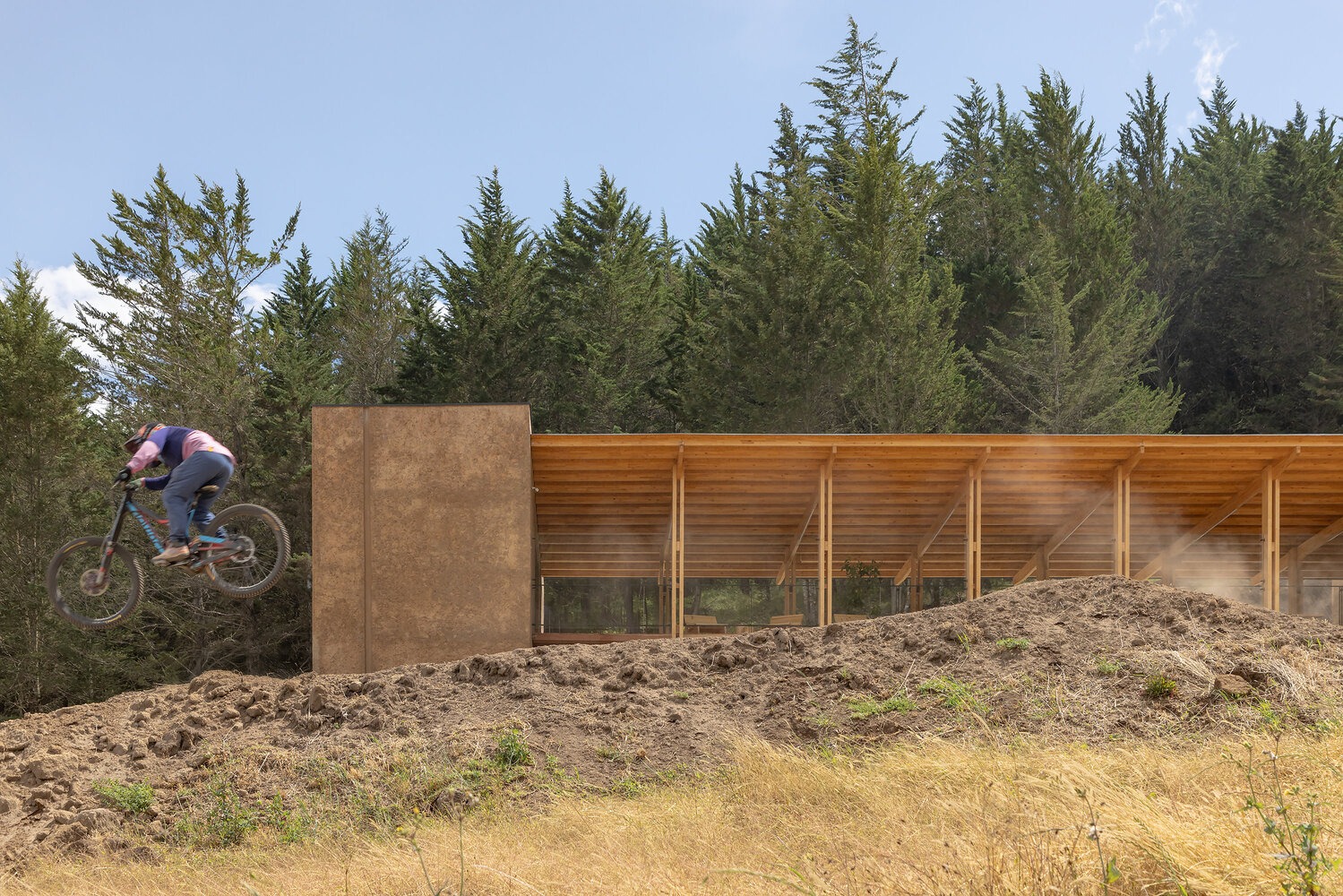
건축물의 윤곽은 간결한 조형적 어휘로 완성됩니다. 대지에서 묵직하게 솟아오른 두 개의 착색 콘크리트 매스가 내부 공간의 단단한 중심을 잡습니다. 반면 그 위를 덮은 경쾌한 목조 지붕은 전망대처럼 지형 너머로 길게 뻗어 나갑니다. 지평선과 숲, 그리고 자전거를 타는 사람들의 역동적인 움직임을 마치 한 폭의 액자처럼 시원하게 담아냅니다.
[대지의 색조를 머금은 공간]
콘크리트 매스 내부는 기능적인 쓰임새를 품고 있습니다. 한쪽에는 리셉션과 상점이 자리하며, 다른 한쪽에는 레스토랑 주방이 들어섰습니다. 대지의 색조를 그대로 머금은 콘크리트의 흙빛 질감은 이 건물이 땅에 속해 있다는 사실을 조용히 증명합니다. 단단한 벽면에 낸 개구부들은 자연광을 내부로 은은하게 끌어들여, 단정하면서도 내향적인 공간의 인상을 남깁니다.
[경계를 허무는 목조 처마]
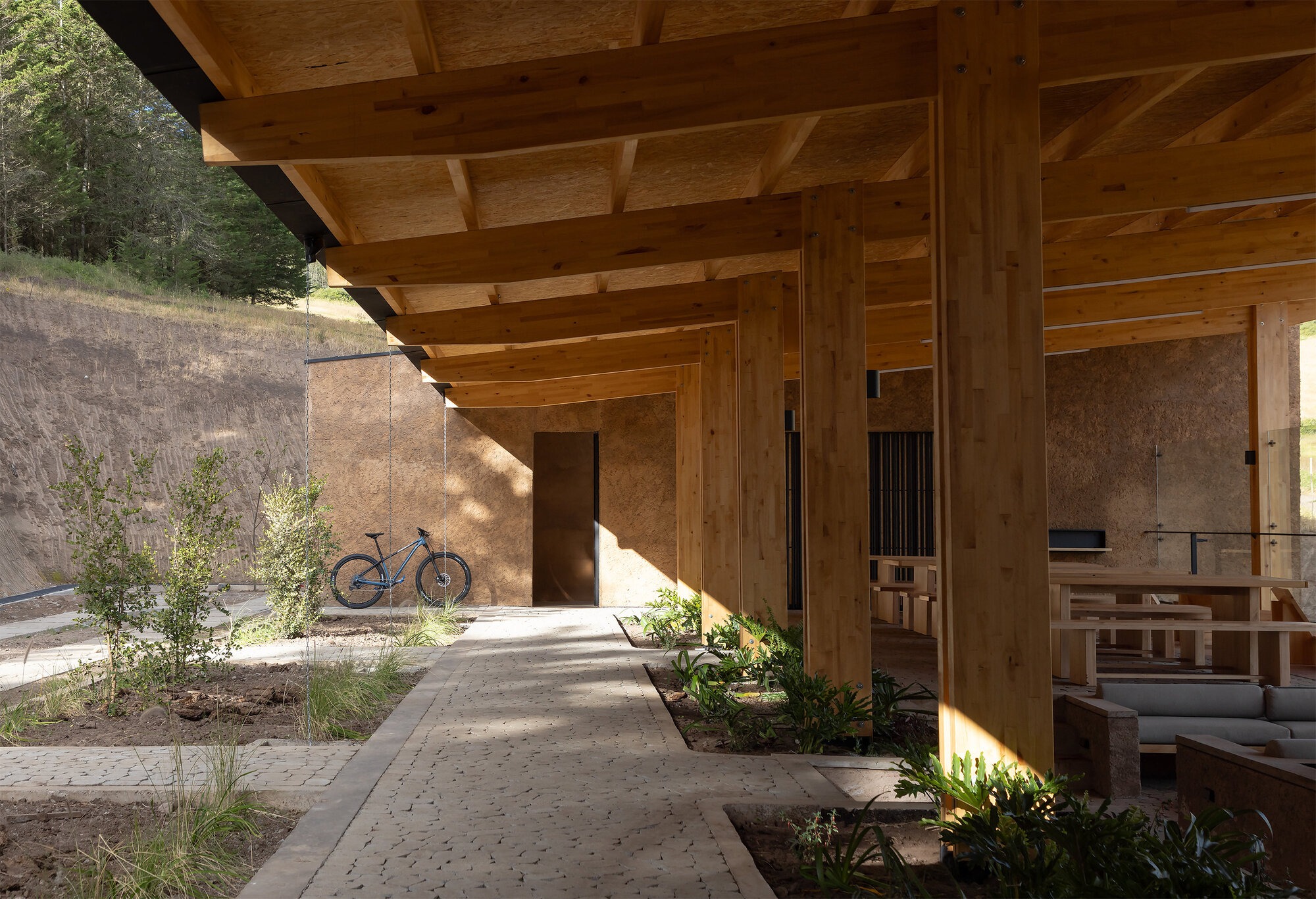
집성목으로 엮어낸 지붕은 시각적으로 무척 가볍고 리드미컬합니다. 전면과 후면으로 깊게 내민 처마를 여섯 개의 견고한 목조 기둥열이 든든하게 받쳐줍니다. 이 구조는 안과 밖의 경계를 아주 부드럽게 지워냅니다. 널찍한 지붕 아래에는 다이닝 공간과 쉼터가 펼쳐집니다. 곳곳에 놓인 식물 기단은 풍경의 흐름을 가로막지 않으면서도, 다양한 공간의 쓰임을 자연스럽게 나누고 이어줍니다.
[풍경과 시선을 잇는 파사드]
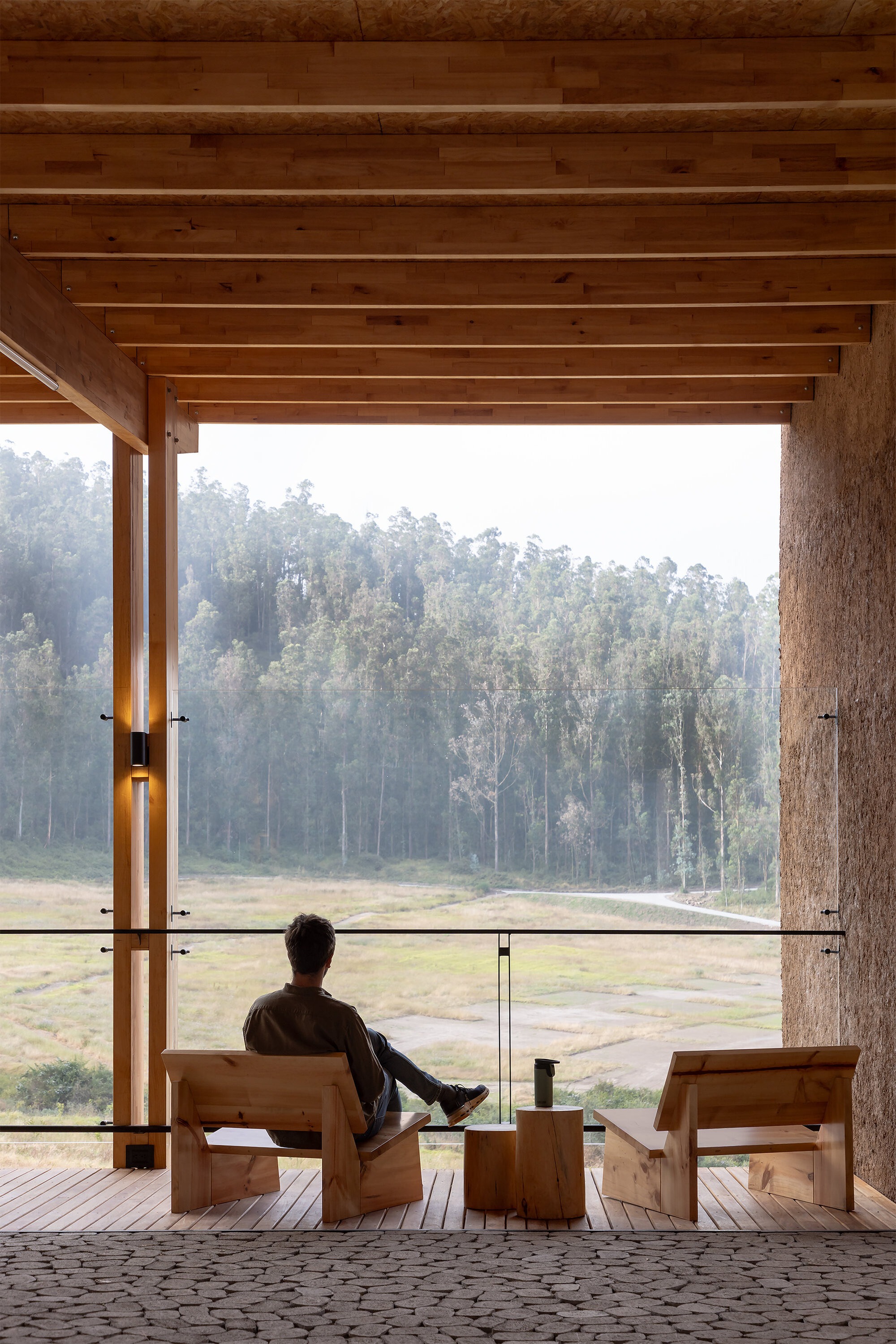
전면 파사드에는 투명한 강화유리 패널을 세웠습니다. 변덕스러운 산악 기후로부터 방문객의 안전을 지켜주면서도, 내부의 온기와 바깥 풍경 사이의 시각적 연속성은 고스란히 보존합니다.
[감각을 깨우는 식생의 전이]
조경은 공간의 서사를 이끄는 훌륭한 매개체입니다. 밖에서 안으로 걸음을 옮길수록 분위기는 극적으로 변화합니다. 바깥마당을 지키는 머틀과 캣테일 트리 같은 안데스의 거친 자생 식물들은 실내로 들어서며 완전히 다른 표정을 짓습니다. 양치류와 필로덴드론, 그리고 노란 백합처럼 다채롭고 생기 넘치는 식생이 방문객을 반갑게 맞이합니다. 푸릇한 내부 식물과 따뜻한 나무의 결은 흙빛 콘크리트의 단단함과 선명하게 대비를 이룹니다. 마침내 이 안식처는 주변 자연의 색채를 묵묵히 따르면서도, 한없이 다정하고 편안한 온기를 사람들에게 선사합니다.
Write by Gemini & Jean Browwn







Located in Ascázubi, at the foot of Pambamarca Hill, the project originated as a refuge: a space for pause and contemplation for bike park users seeking shelter from the harsh Andean climate.
In this territory of sweeping views and ancestral history, where pucarás (fortified settlements) are still preserved, the objective was to blend architecture and nature through an intervention capable of integrating with its surroundings and engaging with the landscape without imposing itself.
The design is defined by a simple volumetric gesture, consisting of two solid volumes of pigmented concrete that emerge from the earth and delineate the interior space, and a lightweight wooden roof that projects over the terrain like a lookout point, framing the horizon, the forest, and the movement of cyclists.
The concrete volumes house the service areas: the reception and shop on one side, and the restaurant kitchen on the other. Their materiality, pigmented in earthy tones, reinforces the idea of belonging to the land. The openings filter natural light into the interior and create a sober, introverted exterior expression.
The laminated wood roof is conceived as a light and rhythmic element, composed of six robust porticos that support both front and rear overhangs, blurring the boundary between interior and exterior. Beneath this shared roof are the dining area and various resting spaces, articulated by planters that unify and organize uses without interrupting the connection to the landscape.
On the front façade, the structure incorporates a tempered glass panel that protects users from the weather while maintaining visual continuity between the interior and the landscape.
From the exterior, native species such as myrtle, white straw, and cat’s tail trees initiate a transition toward a more colorful interior, featuring introduced vegetation such as ferns, philodendrons, and yellow lilies. The interior vegetation and wood contrast with the hardness of the pigmented concrete on the façade and in the interior, creating a warm and natural atmosphere that maintains the same chromatic logic as its context.
from archdaily